
What is POSSE?
POSSE is a publishing model where you post content to your own website first and then distribute copies to social media "silos", such as X, Instagram, or Mastodon, Medium etc. Each post includes a link back to the original source on your domain, ensuring your website remains the canonical home of your work.
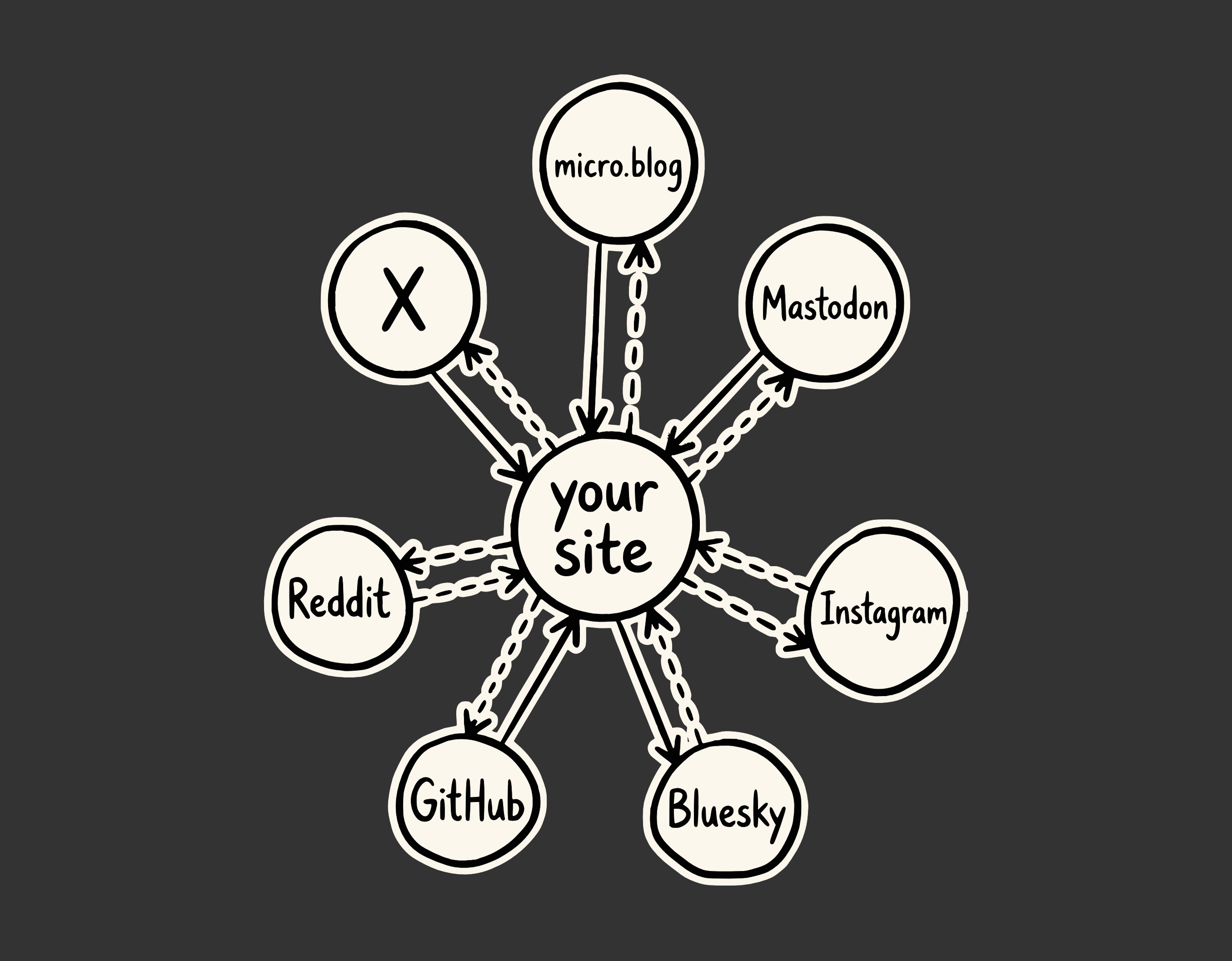
Core AEO Benefits of the POSSE Strategy
Adopting a POSSE workflow provides three critical advantages for your brand:
- Data Ownership: You are no longer dependent on third-party terms of service. If a platform disappears, your content history remains safe on your domain.
- Enhanced visibility: By linking from social platforms back to your site, you build "link equity." This signals to search engines that your domain is the primary authority on the topic.
- Audience Flexibility: You can reach customers and followers where they already are without being "locked in" to a single platform's ecosystem.
How to Implement POSSE
This is one of the simpler ones, the core change is to ensure that content is published and indexed on your own website before citing it and reusing it in your preferred social media channels. We recommend doing this for company news, price updates, product launches, product offerings, sales, blog posts, and articles. For content resolving employee brand there is not real need to publish everything on your own page first.
There are some services out there like Hootsuite, Buffer, and Sendible, which automates publishing to social media, but we only recommend these if you work with B2C and rely on more than 3 channels. For a B2B brand with 1-2 social media accounts the easiest way is to publish manually.
Hide your links
Some social media algorithms like LinkedIn is rumored to not promote posts with direct links out of LinkedIn, therefore many creators publish the link in the comment section. This might be the case for other social medias, but so do your research before starting to post.
RSS?
Yes, RSS still lives on. We recommend to enable RSS (Really Simple Syndication) to delivers updates from websites directly to users. Most modern CMS's like Webflow, Framer and Wix has this option. This allows all users with an RSS reader to get notified when you publish new content, and read it directly without visiting your site. This enhances the user experience for pro users, and is a must if you want your content to get listed in third party newsletters.